
Next training dates
October 23, 2026 – October 26, 2026
December 4, 2026 – December 7, 2026
January 22, 2027 – January 25, 2027
March 5, 2027 – March 8, 2027
Training content and delivery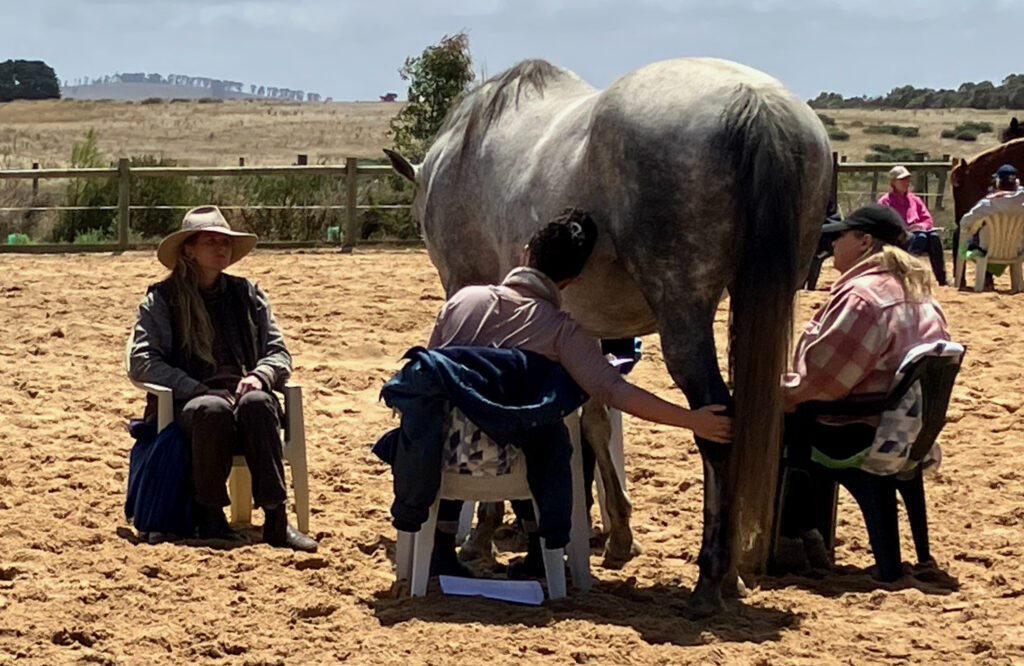
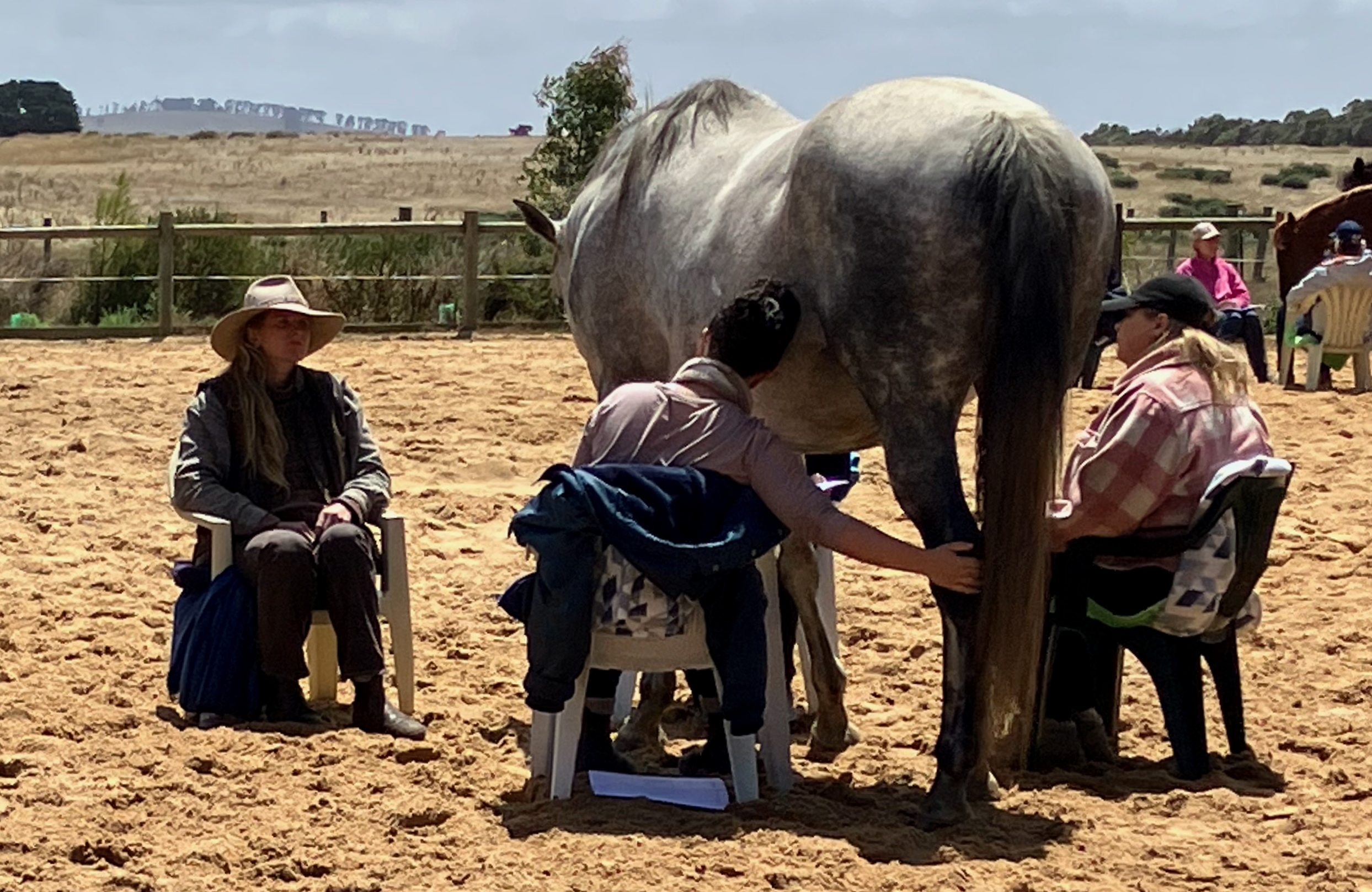
Our core training is delivered in-person, in four x 4-day modules with seven weeks in between. Attendance for each module is dependent on completion of the previous module. Approximately 75% of the training is experiential, made up of:
- Skills practice (55%)
- Live demonstrations – with volunteers (15%)
- Interactive activities (5%)
- Group discussion
The remaining 25% is theory.
A somatic approach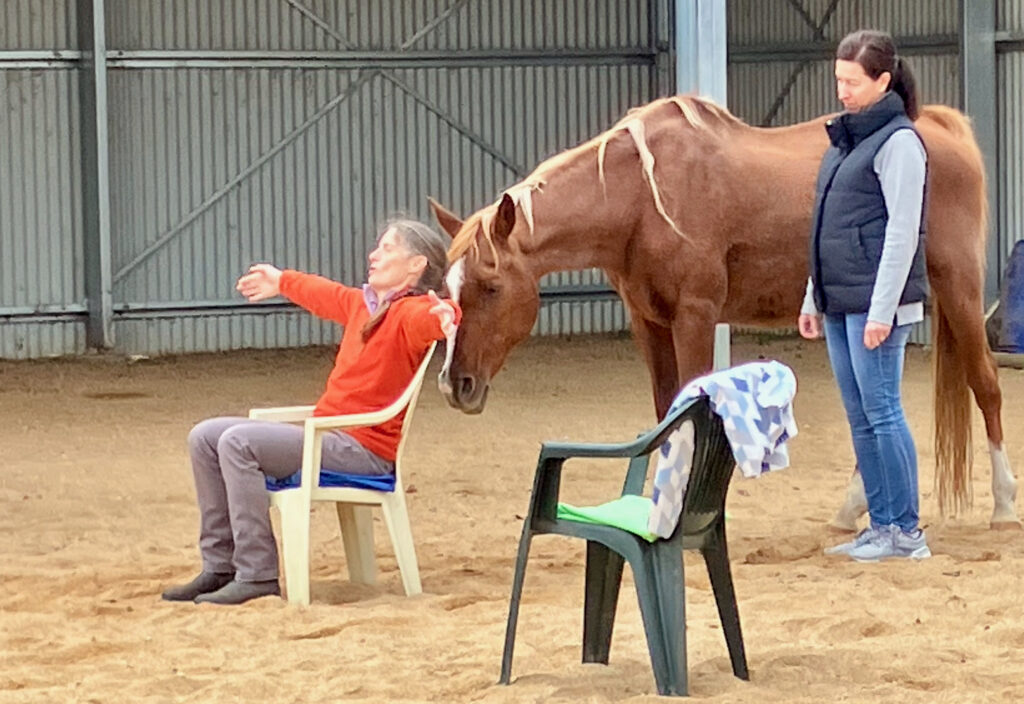
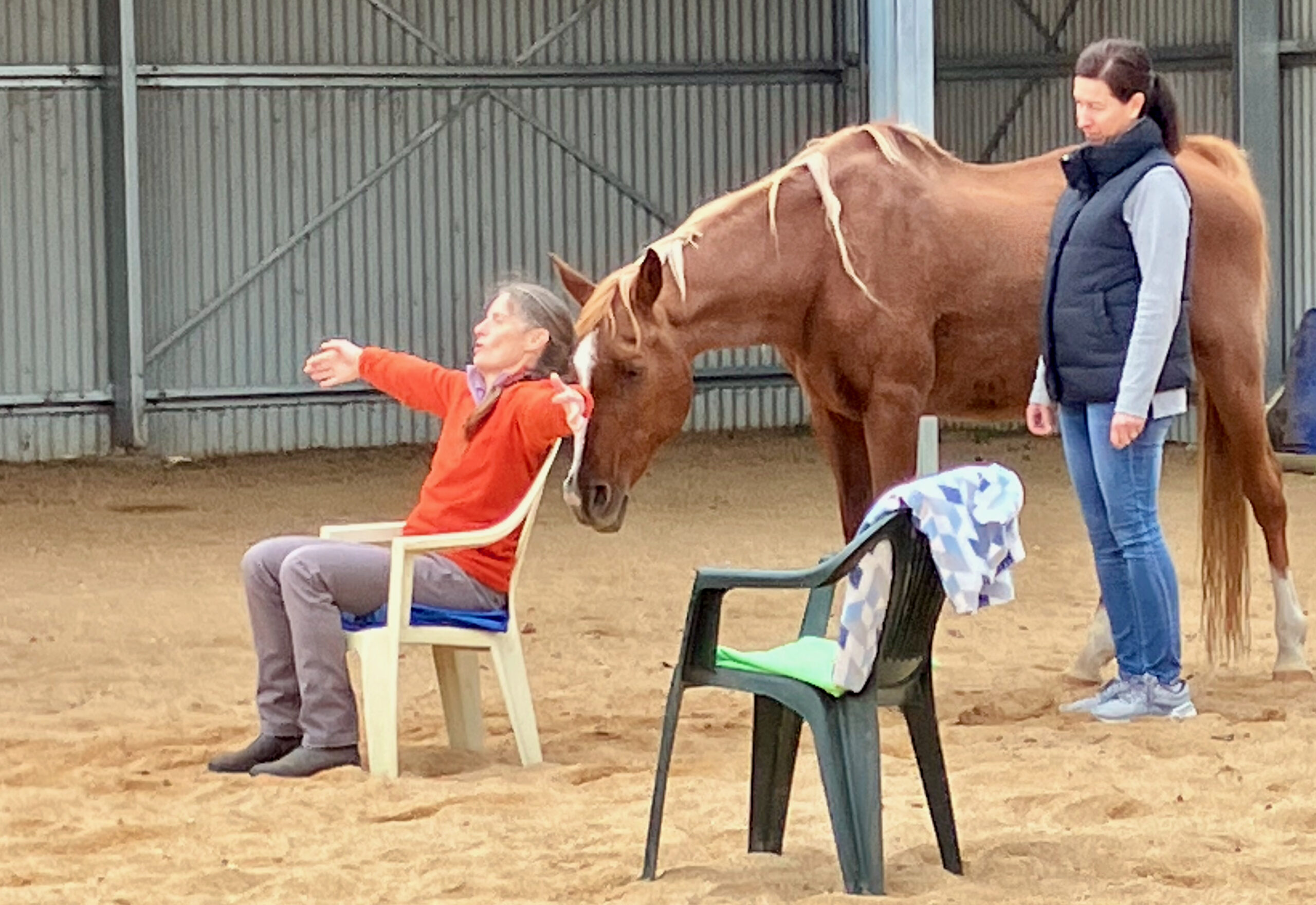
The body not only holds the trauma, it also holds the resolution of the trauma. Since trauma happens to the body, it needs to be addressed at the body level. When we understand and work with the somatic responses to trauma, there is no guesswork to trauma recovery. The body will tell us, and its responses are predictable.
Our modality takes a ‘bottom up’ approach: body first. Clients do not need to re-tell or relive the event. When the trauma is resolved at the body level, more information is released which leads to a new perspective. Clients will feel different about the event, and have a deeper understanding of what happened.
The body is invited to ‘speak’ and tell ‘its version of the story.’ For many, this feels healing in itself – like being fully heard for maybe the first time.
While traumas can seem so limitless (in their diversity and complexity), the (ANS) responses are predictable, and the patterns are finite. Participants will learn the patterns and be able to recognize these patterns unfolding when with clients to skillfully guide their process.
Working with energy, movement and sensations – with the support of horses is a safer, more productive and gentle way to help clients recover from adverse experiences – as opposed to staying in and analyzing the story – which may inadvertently cause more distress to the body.
“The path of direct revelation unfolds by way of the human body” ~ Matt Licatta
Horses and trauma recovery
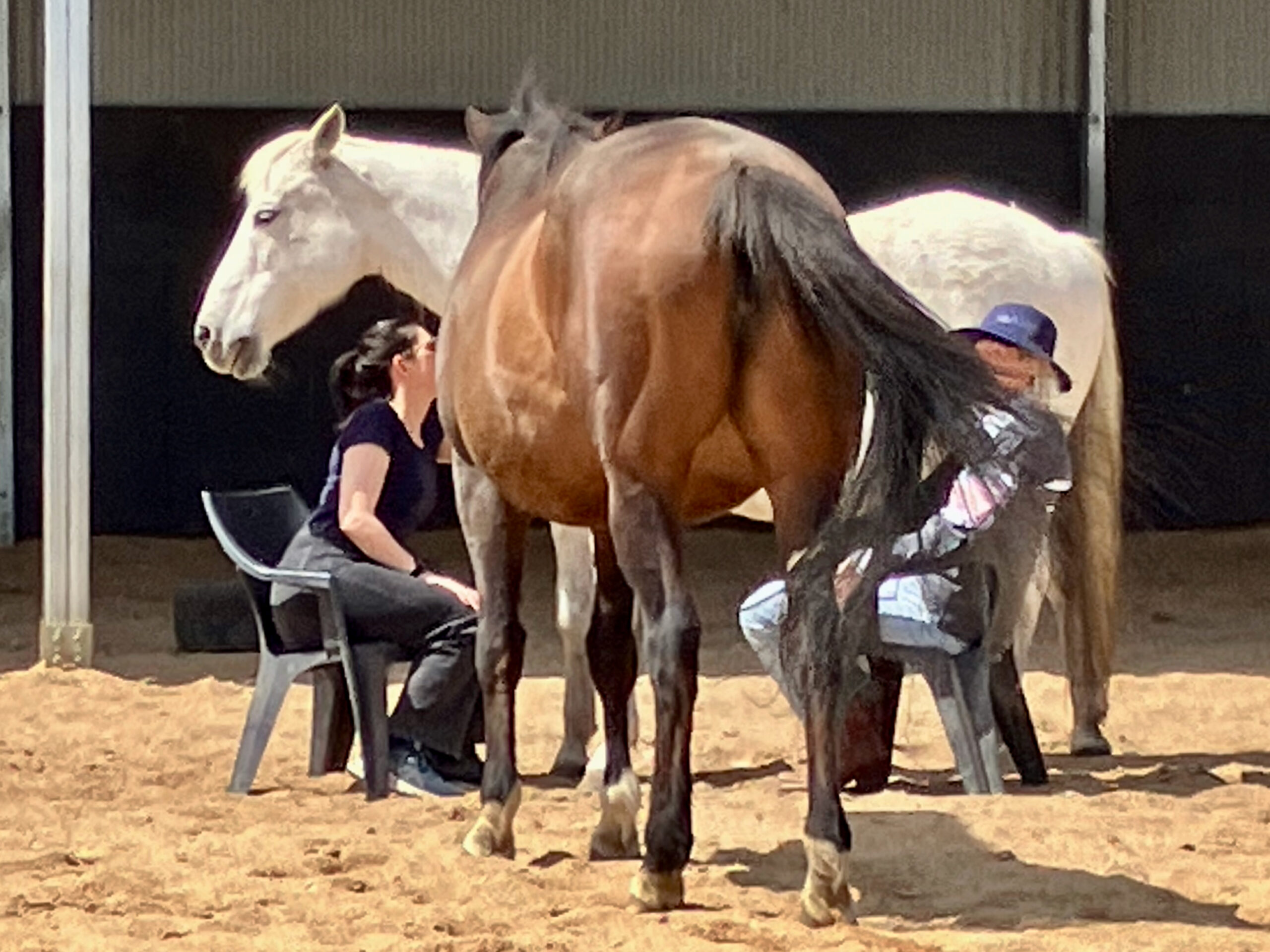
Horses instinctively know how to release trauma from their bodies. In the wild, they would be somebody’s dinner if they didn’t. While our modality can be used without horses, they amplify, contain, facilitate and down-regulate the client’s nervous system responses – helping the client experience a safe resolution with greater ease.
Energy is the domain of horses, and they sense the quality of energy and energy blocks held in our bodies. They instinctively know that energy needs to move, to be cleared, and will actively support this – helping the client to easily restore equilibrium and well-being.
“One way to get people back out of dissociation, aka freeze — aka trauma, is to surround them with friendly mammals, and stimulate their mammalian social engagement systems to come back on line.” ~ Stephen Porges
Training outcome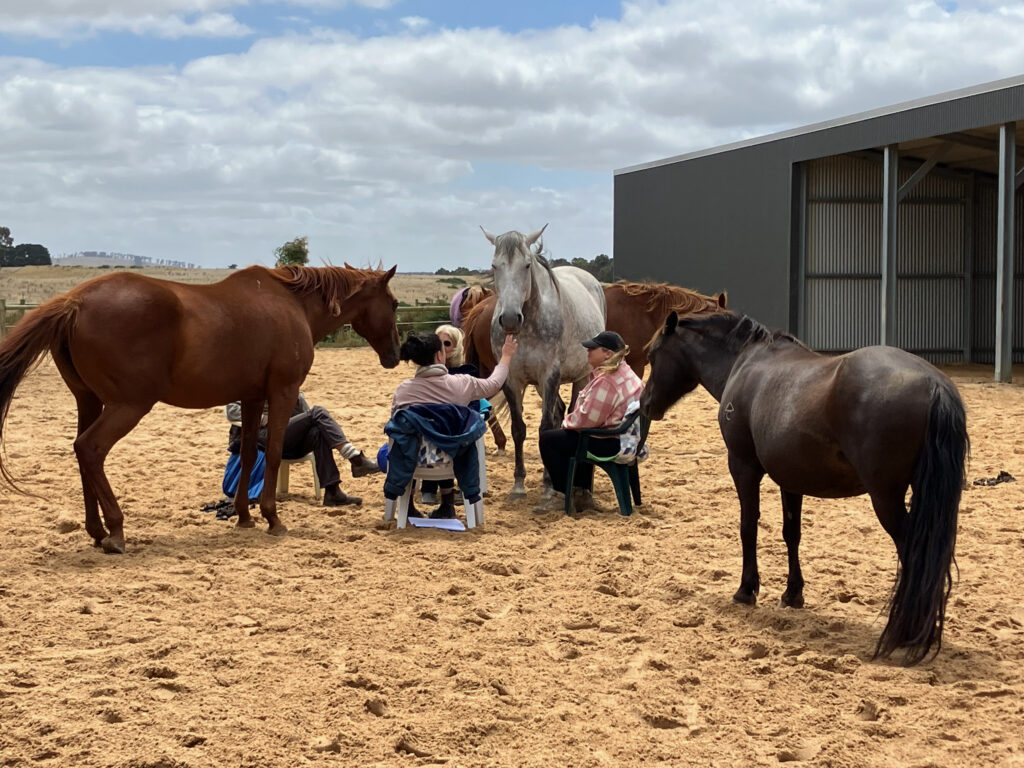
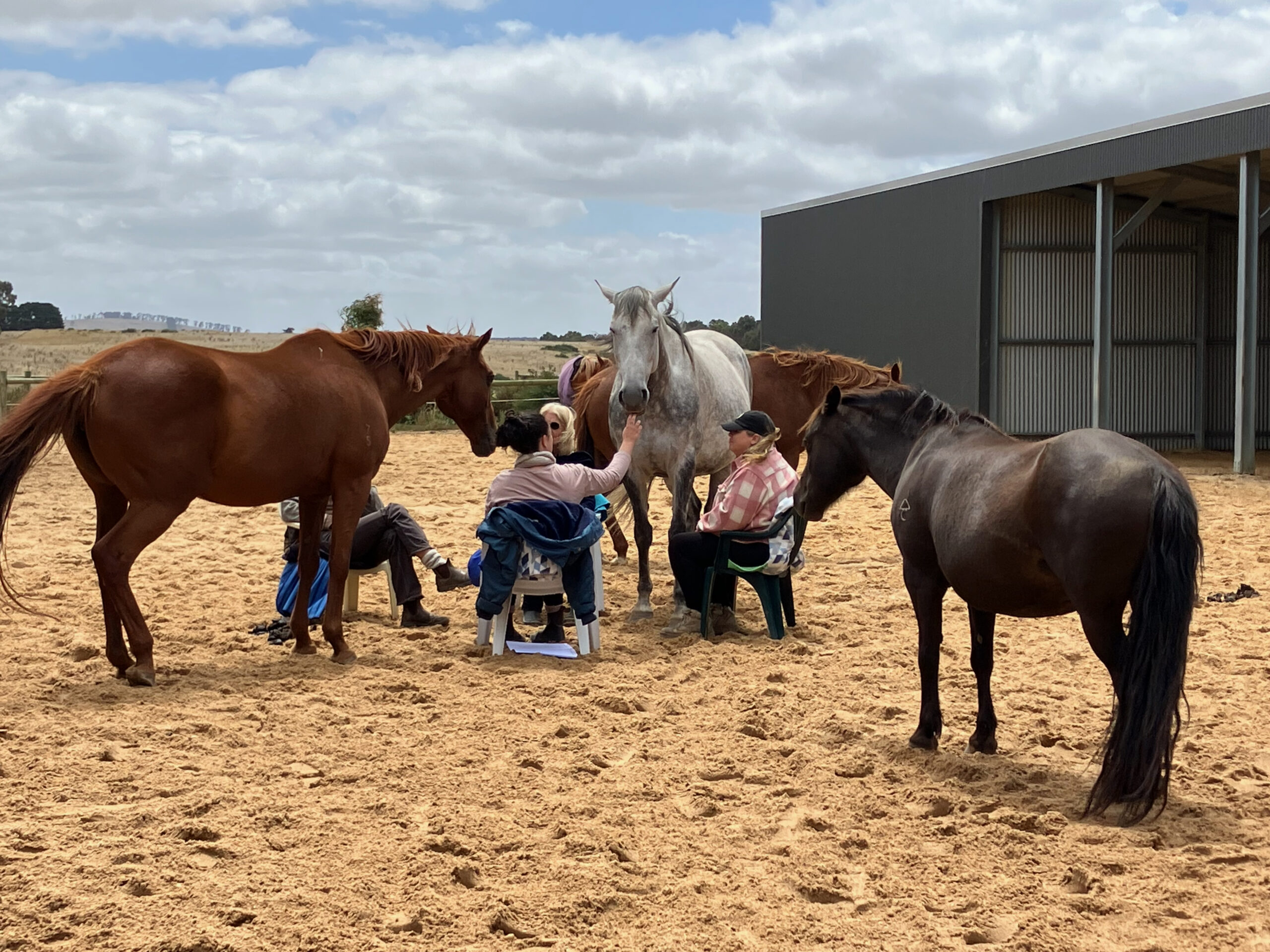
Participants will be competent and confident to safely and skillfully facilitate individual equine therapy sessions. They will:
- Ensure a safe container for horses and humans is maintained throughout a session
- Acknowledge horses contribution and their physical, mental, emotional, and spiritual needs
- Recognise and integrate the horses’ responses to clients
- Understand and work within clients’ nervous system capacity
- Apply an appropriate modality for each individual client
- Skillfully guide clients through a process to restore resilience and vitatlity
- Formulate their own style – integrating their experience, wisdom, and discipline with the CEEL equine therapy modality
Who can attend?
This training is not ‘stand-alone.’ It is designed to complement your specific orientation and discipline and is suitable for anyone in the field of human development: such as coaches, counselors, therapists, social workers, teachers, trainers, healers, and other individuals with an orientation towards human growth and development who want to incorporate horses into their work.
This training is designed for people who have already started to move beyond a survival orientation to a creative, emotionally vital thriving lifestyle.
People who have attended other equine facilitator training will find that this training complements what they have already learned, and provides opportunities for practicing and deepening skills, including somatic processes that specifically focus on the autonomic nervous system, body awareness, energy, emotions and resolution of trauma.
What if you don’t have horses or access to them?
This modality is adaptable – it can be used without horses. It can be adapted to being in nature or with other animals.
If you are a coach, therapist, or counselor, the ‘missing piece’ is often the somatic component. Through the body we can access innate and universal wisdom. The body doesn’t lie, and clients can be guided to their own truth. You work becomes easier and more joyful as you guide clients to their own healing and resolutions.
Learning with horses
Whether you plan to work with horses or not, learning with the support of horses will help you deepen your experience, learn faster, embrace your authentic self – and help you resolve any adverse experiences or self-limiting beliefs to enhance your practice and maybe your life.
CEEL Practitioner Pathway – 4 modules
Staying connected
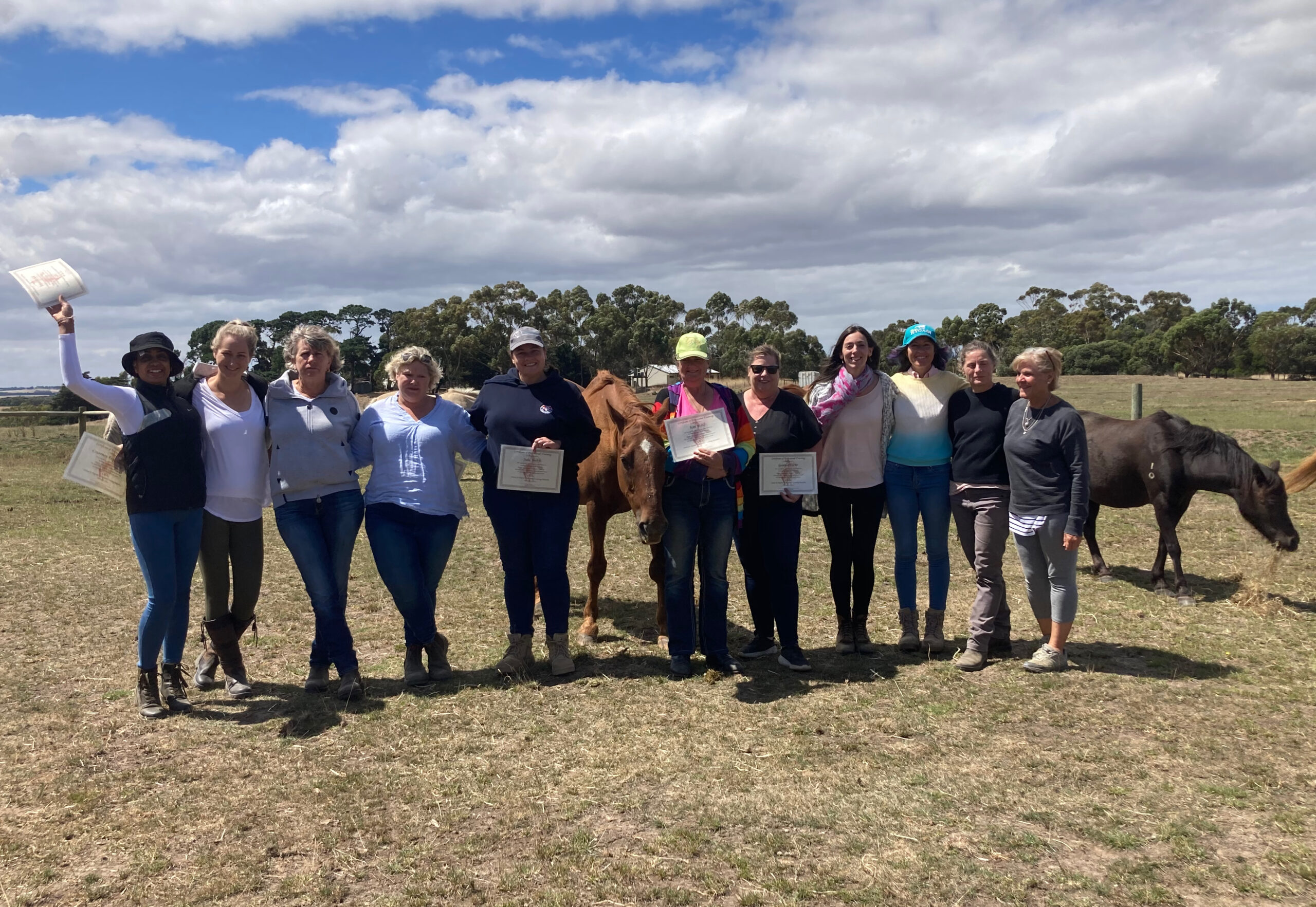
When you attend CEEL training, you automatically become member of the growing, mutually supportive and resourceful CEEL community where knowledge is readily shared, and creative solutions to challenges are explored. You can call on the CEEL community for ideas, suggestions, and feedback to your questions and challenges, and learn about others’ experiences.
Application
Send an email to cindy@centreforeel.com for an application
Investment
$1995 per module.
Do you have questions? Please contact us: